 en
 Español
 عربى

News ·
News ·
News ·
News ·
News ·
News ·
News ·
News ·
News ·
News ·
News ·
News ·
News ·
News ·
News ·
News ·

Posted by JUDUN
Cable Crimper Procurement Depends on Die Compatibility and Test Records
Purchasing a hydraulic cable crimping tool involves more than comparing maximum crimping force or cable capacity. Electrical contractors, utility suppliers, and industrial procurement teams also need to confirm whether the tool can accommodate their terminal specifications, conductor sizes, and required die configurations. A tool may have sufficient hydraulic force but still be unsuitable for a particular cable termination project because its dies do not match the connector system.
At Judun, we understand that buyers need reliable technical information before investing in crimping equipment. A hydraulic cable crimper tool should be evaluated according to its complete working configuration, including the crimping head, die sets, hydraulic system, and application requirements. Test records and inspection procedures also deserve attention because they provide evidence of equipment performance and process consistency.
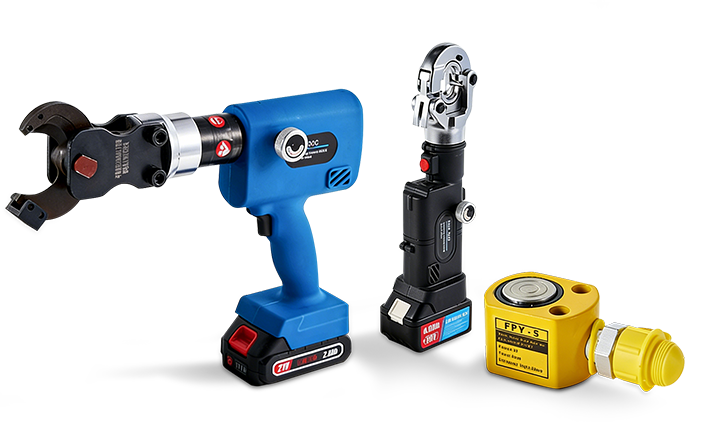
1. Die Compatibility Should Match the Actual Cable and Terminal System
Die compatibility is a central consideration during cable crimper procurement. Different cable materials, conductor sizes, and terminal designs may require different die profiles and compression dimensions.
Buyers should review several details before confirming a die configuration:
- Conductor material: Copper and aluminum conductors may require different connector and crimping specifications.
- Cable cross-sectional area: Confirm the supported range in mm² or AWG according to the project requirements.
- Terminal type: Check whether the application involves compression lugs, connectors, or other electrical terminals.
- Die profile: Verify the required hexagonal, indent, or other specified compression profile.
- Die identification: Confirm the markings and size references supplied with the tool.
Physical fit alone does not establish that a die is suitable for a particular terminal. The conductor, connector, die profile, and approved crimping instructions must correspond to the intended application.
2. Maximum Crimping Force Is Not the Only Capacity Indicator
Hydraulic cable crimpers are available with different force ratings and working ranges. However, buyers should avoid using hydraulic force as the only measurement of equipment suitability.
For example, a crimping head rated at 100 kN cannot automatically process every terminal requiring that approximate force. Jaw opening, die dimensions, connector geometry, and the manufacturer's approved application range remain important.
Our recommended specification checks include:
- Rated crimping force: Confirm the equipment's specified output capacity.
- Maximum cable range: Review the supported conductor cross-sectional areas.
- Jaw opening: Check whether the terminal can be positioned correctly inside the crimping head.
- Working pressure: Verify compatibility between the crimping head, pump, hose, and hydraulic connections.
- Head configuration: Consider open C-shaped jaws or other designs according to installation access.
For instance, some industrial hydraulic cable crimping equipment operates at 10,000 PSI (approximately 700 bar). This is a model-specific working pressure rather than a universal requirement. Buyers should always follow the pressure rating specified for the complete tool assembly.
3. Test Records Provide Evidence Beyond Product Specifications
A product specification sheet describes the equipment's intended operating range, but procurement teams may also need documented evidence of testing and inspection. This is particularly relevant to projects involving electrical distribution, power transmission, and industrial cable installation.
At Judun, we recommend discussing the available quality documentation before finalizing an equipment order.
- Hydraulic pressure test: Provides information about the hydraulic system's pressure performance.
- Functional inspection: Confirms basic tool operation and movement of the crimping mechanism.
- Die inspection: Checks die dimensions, markings, surface condition, and configuration.
- Crimp sample verification: Helps evaluate whether the equipment and approved tooling can produce the specified crimp result.
- Calibration records: Relevant where measurement instruments or force verification equipment are used.
Buyers should distinguish between a hydraulic pressure test and an electrical connection qualification test. Passing a pressure test does not independently demonstrate that a completed cable termination meets its required electrical or mechanical performance criteria.
4. Confirm Crimping Standards and Connector Requirements
Different electrical projects may follow different connector specifications, industry standards, or utility installation requirements. A tool suitable for one terminal system should not automatically be considered approved for another.
Before purchasing, we suggest confirming:
- Applicable cable and connector specifications.
- Required crimp profile and compression dimensions.
- Number and positioning of crimps along the terminal.
- Manufacturer-approved tool and die combinations.
- Inspection and acceptance requirements for completed connections.
For example, metric conductor sizes and AWG sizes should not be treated as directly interchangeable merely because their nominal values appear close. Buyers should use the connector manufacturer's approved data for the exact conductor and terminal combination.
5. Consider Replacement Dies and Documentation Availability
Purchasing a crimping tool is also a long-term tooling decision. Electrical contractors may work with several cable sizes and connector types across different projects, making replacement die availability an important sourcing consideration.
We recommend asking suppliers about the following items:
- Available die sizes and compatible profiles.
- Replacement die ordering references.
- Tool model identification and operating manuals.
- Hydraulic pump and hose compatibility for remote crimping heads.
- Inspection instructions and relevant technical records.
These details help purchasing teams understand the scope of the supplied configuration and plan future tooling requirements without relying on assumptions about cross-model compatibility.
6. Prepare a Technical Checklist Before Requesting a Quotation
At Judun, we encourage buyers to provide clear application details during the inquiry stage. A structured specification makes it easier to review the required crimping capacity and tooling arrangement.
| Procurement Item | Information to Confirm |
| Cable material | Copper or aluminum |
| Cable size | Required mm² or AWG range |
| Terminal type | Connector or compression lug specifications |
| Crimping force | Required rated force and equipment capacity |
| Die configuration | Die profile, size, and compatibility |
| Hydraulic system | Working pressure, pump type, and hose connections |
| Working environment | Field installation, workshop, or industrial site |
| Quality documentation | Inspection records, test reports, and operating instructions |
Work With Judun on Your Cable Crimping Tool Requirements
Reliable cable crimping procurement depends on matching the complete tooling configuration with the intended electrical application. Die compatibility, conductor material, terminal dimensions, hydraulic capacity, and test documentation all contribute to a more informed purchasing decision.
At Judun, we focus on understanding these requirements before discussing suitable crimping equipment. Buyers can share cable specifications, terminal drawings, required die sizes, and project documentation to help our team review the requested configuration.
Contact Judun to discuss your hydraulic cable crimping tool requirements. We can help you review equipment specifications, tooling configurations, and available inspection documentation for your upcoming cable installation projects.
Don't miss out. Contact us to get the latest information!

Products
Contact US
Taizhou Judun Tools Co., Ltd.
Jungang Village, Chumen Town, Yuhuan City, Zhejiang Province
Tel: +86-13967698556
E-mail: judungongju@163.com
Copyright © Taizhou Judun Tools Co., Ltd.. All rights reserved.
