 en
 Español
 عربى

News ·
News ·
News ·
News ·
News ·
News ·
News ·
News ·
News ·
News ·
News ·
News ·
News ·
News ·
News ·
News ·

Posted by JUDUN
Electric Hydraulic Pumps Face Different Power Requirements Across Job Sites
Construction projects, equipment installation, vehicle repair, and industrial lifting operations do not always have access to the same electrical infrastructure. A workshop may provide a stable mains supply, while a remote construction site may depend on a portable generator. These differences influence the type of hydraulic equipment that buyers can use and the electrical specifications they need to confirm before ordering.
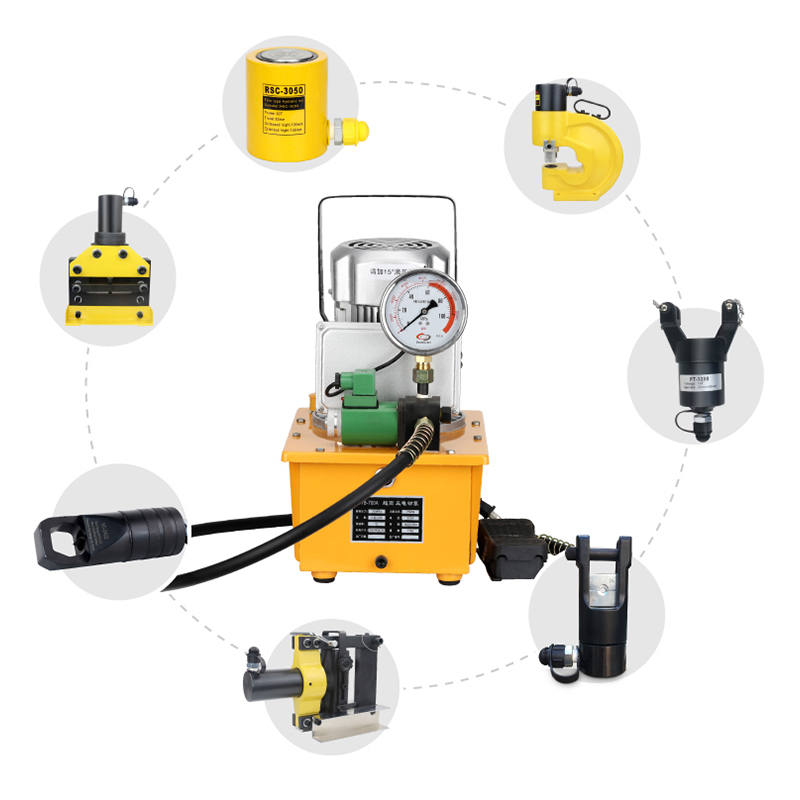
At Judun, we understand that purchasing a hydraulic jack electric pump involves more than checking its pressure rating and motor power. The available voltage, current capacity, phase configuration, operating frequency, and working cycle all affect whether a pump is suitable for a particular job site. Reviewing these details in advance helps buyers coordinate hydraulic equipment with their existing power infrastructure.
1. Voltage Requirements Differ Between Work Locations
Electric hydraulic pumps are manufactured with different motor voltage configurations. Common options include 115V, 230V, and higher-voltage industrial arrangements, depending on the motor design and target market.
Buyers should confirm the electrical supply available at the installation location rather than assuming that a standard outlet can support every pump model.
- Workshop applications: Fixed electrical installations may provide a stable supply for regular hydraulic operations.
- Construction sites: Temporary power distribution may require additional planning for voltage and circuit capacity.
- Remote service locations: Portable generators or vehicle-based power systems may be necessary.
- International projects: Buyers need to confirm local voltage and frequency standards before importing equipment.
Operating a motor outside its specified electrical range can cause starting difficulties, overheating, and reduced performance. At Judun, we recommend confirming the motor nameplate information and destination-market requirements during the quotation stage.
2. Single-Phase and Three-Phase Power Serve Different Applications
Electrical phase configuration is another important purchasing consideration. Single-phase and three-phase motors have different installation requirements and are commonly used in different working environments.
Single-Phase Electric Hydraulic Pumps
Single-phase configurations are commonly considered for smaller workshops, repair stations, and portable hydraulic applications. Depending on the rated motor specifications, 115V or 230V supplies may be available. Their connection requirements can make them suitable for locations without industrial three-phase infrastructure.
Three-Phase Electric Hydraulic Pumps
Three-phase motors are commonly used in industrial installations where suitable electrical infrastructure is already available. Depending on the motor design, configurations such as 230V or 460V may be offered for particular markets.
Before placing an order, we suggest confirming:
- Available voltage and phase configuration.
- Electrical frequency, such as 50Hz or 60Hz.
- Motor rated power and full-load current.
- Circuit protection and grounding requirements.
These details help us understand the electrical conditions under which the pump will operate and identify suitable motor configurations for the project.
3. Generator Capacity Needs More Than a Wattage Check
Some job sites cannot provide direct access to a fixed electrical supply. Portable generators offer another power option, but buyers should evaluate their output capacity carefully before connecting an electric hydraulic pump.
An electric motor can draw a higher current during startup than during normal operation. A generator that appears sufficient based only on the motor's running power may struggle to start the pump under actual working conditions.
Several technical details deserve attention:
- Starting current: Check the motor's startup requirements and generator surge capacity.
- Continuous output: Confirm that the generator can supply the required power during normal operation.
- Voltage stability: Avoid power fluctuations that may affect motor operation.
- Frequency compatibility: Match the generator output frequency with the motor specification.
We encourage buyers to provide the generator model and electrical ratings during technical discussions. This information makes it easier to review whether the proposed power arrangement is appropriate.
4. Extension Cables Can Affect Motor Performance
Long distances between electrical outlets and working areas create another challenge. Extension cables are frequently used on construction sites, but cable length and conductor size can influence voltage drop.
An undersized cable may cause the voltage at the motor terminals to fall below the required operating range, particularly under heavy electrical loads. This can contribute to overheating, difficult starting, and unstable operation.
Our purchasing recommendations include checking:
- Distance between the power source and pump.
- Extension cable conductor size and rated current.
- Electrical connectors and plug compatibility.
- Protection against moisture and mechanical damage.
Electrical cable sizing should follow the motor manufacturer's instructions and applicable local electrical codes. A qualified electrician should verify the installation, particularly for higher-power equipment.
5. Match Motor Duty Cycle With the Project Schedule
Not every electric hydraulic pump is designed for uninterrupted operation. Some models are intended for intermittent hydraulic work, while other configurations support longer operating periods under specified conditions.
Buyers should consider the actual work schedule rather than evaluating motor power alone.
- Occasional lifting: Intermittent operation may be suitable for equipment positioning and repair tasks.
- Repeated lifting cycles: Review the permitted operating duration and cooling intervals.
- Extended industrial operations: Check motor duty classification, hydraulic oil temperature limits, and cooling arrangements.
- Multiple-cylinder applications: Consider the combined flow demand and expected operating sequence.
Duty cycle specifications should be reviewed alongside the manufacturer's operating instructions. A pump's rated pressure does not indicate how long its motor can run continuously.
6. Prepare Electrical Details Before Requesting a Quotation
At Judun, we encourage buyers to include electrical information in their hydraulic equipment inquiries. A clear specification helps us understand the installation environment and discuss an appropriate pump configuration.
The following information is useful during the purchasing process:
- Required motor voltage and phase.
- 50Hz or 60Hz operating frequency.
- Available power source, including mains electricity or generator supply.
- Required hydraulic pressure and flow rate.
- Expected operating frequency and duty cycle.
- Required control arrangement and cable length.
- Destination country and applicable electrical standards.
Discuss Your Electric Hydraulic Pump Requirements With Judun
Different job sites create different electrical demands, and a suitable hydraulic pump configuration needs to account for these conditions. Voltage, phase, frequency, generator capacity, cable arrangements, and motor duty cycle all deserve attention during procurement.
At Judun, we focus on understanding the actual application before discussing equipment specifications. Whether your project involves workshop lifting, construction equipment installation, or mobile hydraulic operations, providing clear electrical and hydraulic requirements helps us evaluate suitable product configurations.
Contact Judun with your required pressure, flow rate, motor voltage, and power supply information. Our team can discuss the available electric hydraulic pump options and help you prepare a configuration that corresponds to your job site's operating conditions.
Don't miss out. Contact us to get the latest information!

Products
Contact US
Taizhou Judun Tools Co., Ltd.
Jungang Village, Chumen Town, Yuhuan City, Zhejiang Province
Tel: +86-13967698556
E-mail: judungongju@163.com
Copyright © Taizhou Judun Tools Co., Ltd.. All rights reserved.
