 en
 Español
 عربى

News ·
News ·
News ·
News ·
News ·
News ·
News ·
News ·
News ·
News ·
News ·
News ·
News ·
News ·
News ·
News ·

Posted by JUDUN
Power Cable Termination Projects Require More Than a Standard Crimping Tool
Power cable termination is an important stage in electrical installation projects. Connections between conductors, cable lugs, and electrical equipment must meet the requirements of the intended system. A crimping tool is only one part of this process. Cable preparation, connector specifications, installation procedures, and inspection arrangements also influence the final termination quality.
At Judun, we understand that electrical contractors and industrial buyers need equipment suited to their actual installation conditions. A power cable crimping tool should therefore be evaluated alongside the cable material, conductor cross-section, terminal design, and project requirements. Purchasing a tool based solely on its maximum crimping force may leave important application details unaddressed.
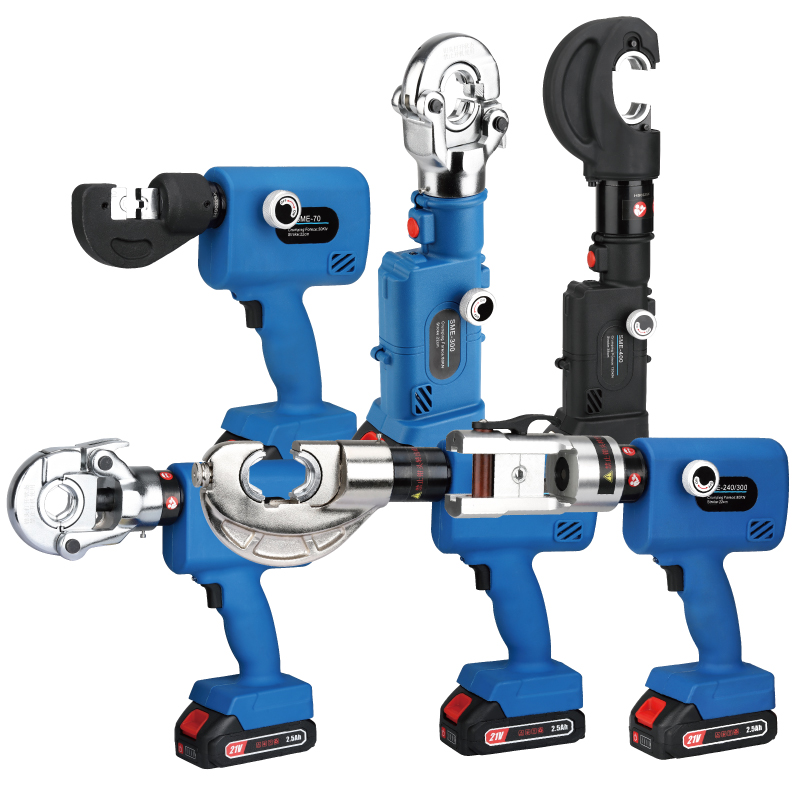
1. Cable Preparation Determines the Starting Conditions
Before crimping begins, the conductor must be prepared according to the connector manufacturer's installation instructions. Poor preparation can affect the contact between the conductor and terminal, even when the selected hydraulic tool has sufficient capacity.
Several preparation details deserve attention:
- Insulation removal: Use an appropriate cable stripping tool and follow the specified stripping length.
- Conductor condition: Check for damaged strands, corrosion, contamination, or deformation.
- Material identification: Confirm whether the conductor is copper or aluminum.
- Surface preparation: Follow the connector manufacturer's instructions for cleaning and any required contact compound.
- Conductor insertion: Verify that the cable reaches the required position inside the lug barrel.
Aluminum conductors require particular attention because surface oxidation can affect connection preparation. Buyers and installation teams should follow the connector manufacturer's specified procedures rather than applying the same preparation method to every cable type.
2. Cable Lugs Must Correspond to the Installation Specifications
Power cable projects may involve different conductor sizes, insulation structures, and terminal arrangements. The selected lug must correspond to the conductor material and cross-sectional area.
During procurement, we recommend checking:
- Copper or aluminum conductor compatibility.
- Cable cross-sectional area, expressed in mm² or AWG.
- Lug barrel dimensions and terminal design.
- Applicable connector specifications and manufacturer references.
- Required compression profile and number of crimps.
For example, a project involving 120 mm² copper cable may require a different lug and die arrangement from one involving 120 mm² aluminum cable. Similar nominal cross-sectional areas do not automatically establish connector compatibility.
3. Crimping Procedures May Differ Across Cable Terminations
Some cable lugs require multiple compression points along the barrel, while others use different installation arrangements. The number, position, and sequence of crimps should follow the connector manufacturer's instructions.
Our recommended purchasing considerations include:
- Crimp sequence: Confirm the specified order for multiple compression operations.
- Compression position: Identify the correct placement of each die along the connector barrel.
- Tool access: Check whether the crimping head can reach the required working position inside electrical cabinets or installation spaces.
- Operating arrangement: Consider whether a manual, battery-powered, or remote hydraulic configuration suits the project.
Using an incorrect sequence or compression position can produce an unacceptable termination even when the tool operates normally. This is why we recommend obtaining the connector's installation instructions before confirming the equipment configuration.
4. Field Inspection Should Be Part of the Project Plan
Crimping work should include inspection procedures rather than ending immediately after the hydraulic tool completes its operation. Electrical contractors may need to verify both the visible condition of the terminal and the documented acceptance requirements.
Typical inspection considerations include:
- Confirming that the conductor is fully inserted into the lug barrel.
- Checking for visible cracks, excessive deformation, or damaged connector surfaces.
- Reviewing crimp impressions and die identification markings where applicable.
- Checking whether the required number and position of compression points have been completed.
- Recording inspection results according to project requirements.
Some projects may also require electrical continuity checks, resistance measurements, or mechanical testing. These procedures are separate from a basic visual inspection and should follow the applicable engineering specifications.
5. Project Documentation Influences Equipment Purchasing
Large electrical installation projects often involve contractors, equipment suppliers, project engineers, and quality inspection teams. Consistent documentation helps these parties identify the equipment and procedures used during cable termination.
Before purchasing, we suggest checking whether the supplier can provide relevant information such as:
- Product specifications and rated crimping force.
- Supported cable sizes and compatible die configurations.
- Operating instructions and safety information.
- Hydraulic system specifications and inspection records.
- Applicable product conformity or quality documentation.
For projects with defined acceptance procedures, buyers should also confirm the requirements with the project engineer or cable connector manufacturer. IEC 61238-1, for example, addresses compression and mechanical connectors for power cables within its stated scope. Tool selection and completed connection acceptance should follow the relevant application requirements.
6. Consider Installation Conditions Before Choosing Equipment
Power cable termination work does not always take place in an open workshop. Some installations involve restricted electrical cabinets, underground cable facilities, substations, or outdoor distribution equipment.
These environments create different equipment requirements:
- Restricted spaces: A compact crimping head may be necessary to access the connector position.
- Large cable projects: Confirm the supported conductor range and required die configurations.
- Outdoor installation: Consider equipment protection, handling conditions, and access to power sources.
- Repeated field operations: Review tool weight, operating method, and accessory arrangements.
These considerations help procurement teams compare equipment according to actual installation requirements instead of relying on general product descriptions.
Discuss Your Power Cable Crimping Requirements With Judun
At Judun, we believe power cable termination equipment should be evaluated as part of the complete installation process. Cable preparation, lug specifications, compression procedures, inspection requirements, and working conditions all contribute to the equipment selection process.
Before requesting a quotation, buyers can prepare the conductor material, cable cross-sectional area, terminal type, required crimping force, and project installation environment. Technical drawings or connector references can also help clarify the requested configuration.
Contact Judun to discuss your cable crimping equipment requirements. Our team can review the application details and discuss suitable hydraulic crimping tools and related configurations for your electrical installation projects.
Don't miss out. Contact us to get the latest information!

Products
Contact US
Taizhou Judun Tools Co., Ltd.
Jungang Village, Chumen Town, Yuhuan City, Zhejiang Province
Tel: +86-13967698556
E-mail: judungongju@163.com
Copyright © Taizhou Judun Tools Co., Ltd.. All rights reserved.
